久久精品国产国产精-中文字幕久久波多野结衣av-精品久久久久久中文字幕无码vr-亚洲国产一区二区三区波多野结衣-最新国产精品久久精品

Technical document

How to achieve high-precision production through precision injection molding

2025-06-30 10:18:00 precision injection molding
In the current era of high-end and intelligent manufacturing, precision injection molding technology has become indispensable in electronics, medical, automotive, and other industries due to its ability to produce high-precision and high-performance plastic products. Achieving high-precision production requires coordinated optimization across materials, molds, processes, equipment, environmental conditions, and quality control.

1. Precise Control of Material Properties

1.1 Consideration of Shrinkage Rate and Stability

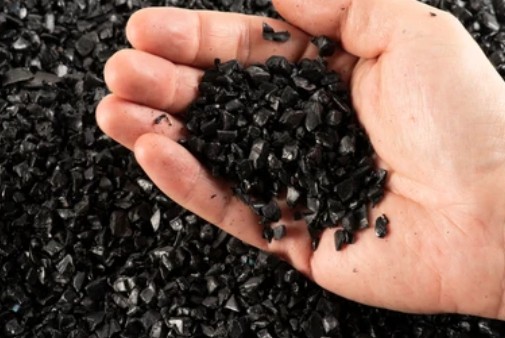
The shrinkage rate of materials directly affects the dimensional accuracy of products. For example, polyethylene has a shrinkage rate of 1.5%-3.6%, while polycarbonate only shows 0.5%-0.7%. Prioritize materials with low and stable shrinkage rates. Additionally, establish a strict batch inspection system for materials, testing key indicators such as melt flow rate and density to ensure consistency between batches.
injection mould

1.2 Pretreatment and Supplier Management

Hygroscopic materials like nylon require drying at 80-120°C for 4-8 hours to eliminate moisture's impact on molding. Collaborate long-term with reliable suppliers and conduct regular evaluations to ensure stable material supply.

2. Optimization of Mold Design and Manufacturing

2.1 Structural and Cooling System Design

For products with uneven wall thickness, set up reinforcing ribs rationally and optimize wall thickness distribution. Adopt conformal cooling technology to design water channels, which can increase cooling efficiency by 30%-50% and avoid deformation caused by uneven cooling.
injection mould

2.2 High-Precision Machining and Assembly

Utilize five-axis machining centers (positioning accuracy ±0.005mm) and other advanced equipment for precise mold machining. Combine polishing and hard chrome plating to reduce surface roughness. Strictly control mold assembly accuracy to ensure smooth opening and closing and precise component fitting.

3. Refined Regulation of Process Parameters

3.1 Temperature and Pressure Management

Set barrel temperatures according to material characteristics; for instance, maintain polypropylene at 200°C-240°C. Adjust injection pressure based on product shape and size: thin-walled products require high-pressure rapid filling, while thick-walled products need reduced pressure. Precisely control holding pressure and time to prevent shrinkage and sink marks.
injection mould

3.2 Speed and Screw Control

Adjust injection speed properly to avoid air marks and weld lines. Set screw rotation speeds according to materials; for example, keep polyoxymethylene at 30-60r/min to prevent poor plasticization or material degradation. Leverage simulation software like Moldflow for process parameter optimization.

4. Enhancement of Equipment Precision and Maintenance

4.1 Equipment Performance Requirements

The injection system of precision injection molding machines must ensure accurate injection volume (volume deviation within 20% of product tolerance), and the flatness of the clamping system's fixed platen should be maintained at 0.08 - 0.10mm to guarantee basic equipment accuracy.

4.2 Maintenance and Upgrades

Regularly clean, lubricate equipment, calibrate sensors, and replace worn components. Upgrade outdated equipment in a timely manner by introducing servo motor drive systems, which can improve response speed and control accuracy. Install equipment monitoring systems to continuously track operating parameters and prevent failures.
injection mould

5. Strict Control of Production Environment Factors

5.1 Temperature, Humidity, and Cleanliness Control

Equip production workshops with constant temperature and humidity systems, maintaining the temperature at 22°C±2°C and humidity at 50%±5% to minimize environmental impacts on product accuracy. For high-precision products in medical and optical fields, production should be carried out in ISO 7-class cleanrooms with air purification equipment and regular cleaning.

5.2 Vibration and Light Management

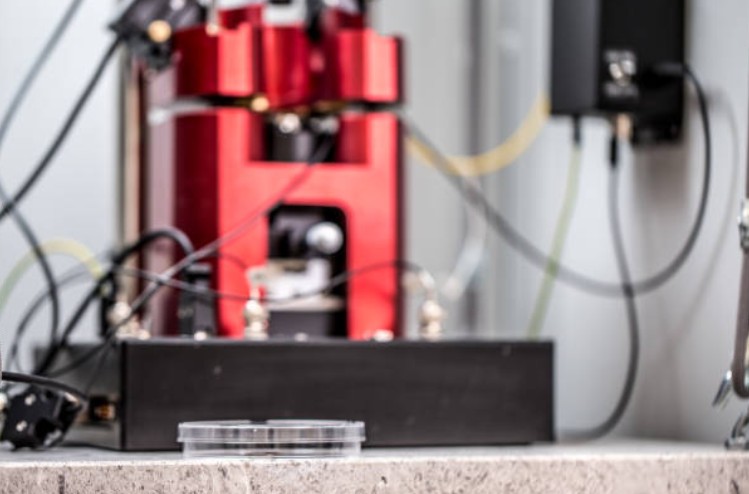
Locate workshops away from vibration sources and install vibration isolation devices when necessary. Avoid direct strong light exposure to equipment and products to prevent local overheating that may affect accuracy.
injection mould

6. Improvement of Quality Inspection and Feedback

6.1 Application of Inspection Equipment and Technologies

Employ coordinate measuring machines (accuracy ±0.001mm) to measure key dimensions, and use optical and electron microscopes to detect surface and internal defects. Introduce online inspection technologies such as laser scanning and machine vision systems for real-time monitoring and automatic alarms.

6.2 Data Management and Process Improvement
Establish a quality data management system and apply statistical process control (SPC) methods to analyze data. Monitor production stability, trace issues based on inspection results, and optimize materials, molds, or process parameters to form a closed-loop quality improvement mechanism.

injection mould

Home
Product
News
Contact
主站蜘蛛池模板: 欧美自拍嘿咻内射在线观看| 成年男女免费视频网站| 国产av一区二区精品凹凸| 特级做a爰片毛片免费69| 亚洲精品www久久久久久| 中国亚州女人69内射少妇| 精品999日本久久久影院| 成码无人av片在线电影网站| 久久国产乱子精品免费女| 久久综合给综合给久久| 精品久久国产字幕高潮| 无码成人午夜在线观看| 国精产品999国精产品官网| 白丝女仆被??免费网站| 亚洲日本丝袜丝袜办公室| 国产精品国产三级国产专i| 午夜在线视频| 久久高清超碰av热热久久| 与子敌伦刺激对白播放的优点| 日本三级三级欧美三级| 国产成人卡2卡3卡4乱码| 亚洲a成人片在线观看| 好紧我太爽了视频免费国产| 精品一区二区三人妻视频| 自拍偷自拍亚洲精品偷一| 日韩成人免费无码不卡视频| 国内精品久久久久久久久齐齐| 亚洲日韩国产一区二区三区| 狂野欧美激情性xxxx| 国产美女亚洲精品久久久| 亚洲日韩av无码一区二区三区| 中文字幕久久波多野结衣av不卡 | 亚洲欧美国产双大乳头| 奇米影视第四色首页| 波多野42部无码喷潮| 亚洲熟妇无码爱v在线观看| 日韩精品人妻一区二区| 亚洲色一色噜一噜噜噜| 亚洲一区二区三区无码久久 | 麻豆人妻无码性色av专区| 久天啪天天久久99久久|