Nitrile rubber (NBR), fluororubber (FKM), silicone (VMQ), and polyurethane (PU) oil seal rings are core products in the industrial sealing sector. Their material properties directly determine the reliability, service life, and operational costs of equipment seals. Widely used in machinery manufacturing, automotive industry, new energy, aerospace, and other fields, these four types of oil seal rings leverage their differentiated advantages to meet diverse working condition requirements. With the upgrading of industrial equipment towards high temperature, high pressure, and high efficiency, material modification technologies and process optimization are advancing continuously, expanding the performance boundaries of these products. Precise material selection has become a key link to ensure production stability and reduce maintenance costs.
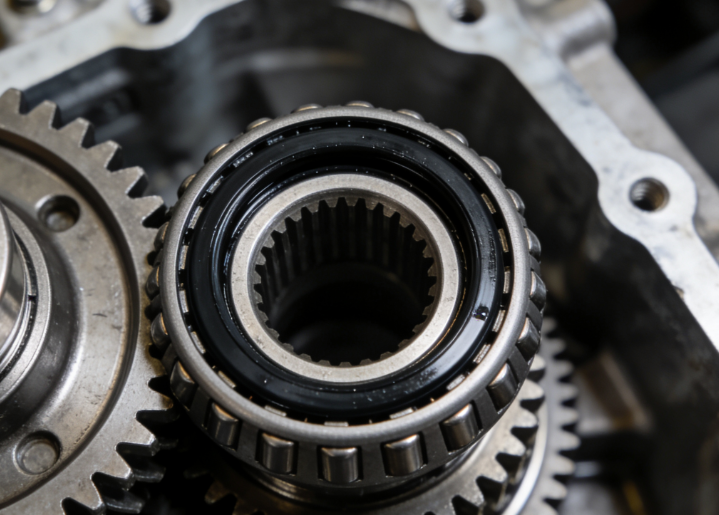
Nitrile Rubber Oil Seal RingsMade of nitrile rubber (NBR), they excel in oil resistance, withstanding mineral oil, animal and vegetable oil, and most petroleum-based hydraulic oils. The operating temperature range is -30℃ to 100℃, offering stable sealing performance under medium and low pressure conditions (pressure ≤10MPa). The Shore hardness typically ranges from 60-85A, balancing good elasticity and mechanical strength. These rings have moderate wear resistance and strong tolerance to gasoline, diesel, and other fuels but are prone to aging in strong polar solvents and high-temperature environments.
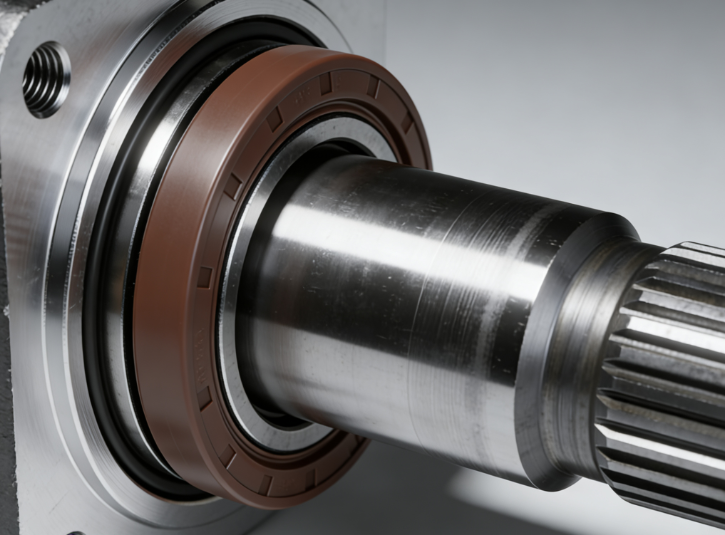
Fluororubber Oil Seal RingsBased on fluororubber (FKM), they deliver exceptional high-temperature resistance and chemical corrosion resistance. The long-term operating temperature reaches -20℃ to 200℃ (up to 250℃ for short-term use), resisting erosion from concentrated sulfuric acid, hydraulic oil, refrigerants, and other harsh media. With a maximum pressure resistance of 30MPa and Shore hardness of 70-90A, they feature outstanding mechanical strength and tear resistance, boasting a service life far exceeding ordinary rubber seals in harsh working conditions.
Silicone Oil Seal RingsCrafted from silicone rubber (VMQ), they offer excellent wide-temperature adaptability, operating from -60℃ to 180℃ while maintaining good elasticity in extreme high and low temperatures. These rings exhibit strong chemical stability, superior ozone and UV aging resistance, low air permeability, and non-toxicity. With a Shore hardness of 50-80A, they are suitable for low to medium pressure (≤15MPa) applications.
Polyurethane Oil Seal RingsMade of polyurethane elastomer (PU), they stand out with the highest wear resistance among the four types—3-5 times that of nitrile rubber—making them ideal for high-frequency reciprocating motion scenarios. The operating temperature range is -20℃ to 120℃, with a pressure resistance of up to 25MPa and Shore hardness of 65-95A. They combine good elastic recovery and extrusion resistance, and excellent mineral oil tolerance, but are susceptible to hydrolysis in high-temperature steam environments.

Nitrile Rubber Oil Seal RingsWidely used in fuel systems and general machinery, including automotive gearboxes, hydraulic pumps, and oil pumps. Common in low-pressure hydraulic circuits of construction machinery and fuel pipeline sealing of agricultural machinery, they are a cost-effective choice for basic industrial equipment sealing due to their stability in normal-temperature oil media.
Fluororubber Oil Seal RingsFocus on high-temperature and strong-corrosion working conditions, such as fuel systems of aerospace equipment, chemical reagent pipelines in semiconductor manufacturing, and exhaust pipe interfaces of automotive engines. Indispensable in high-temperature pipeline sealing of petrochemical industry and hydraulic systems of metallurgical hot rolling mills, they are suitable for key equipment parts requiring long-term resistance to harsh media and extreme temperatures.
Silicone Oil Seal RingsApplied in environments with alternating high and low temperatures and clean requirements, such as battery pack sealing of new energy vehicles, air circuit sealing of aerospace equipment, and pipeline interfaces of food machinery. Widely used in sealing parts of industrial ovens, refrigeration equipment, and low-pressure sealing scenarios of medical devices, their non-toxic and odorless properties make them suitable for food-grade and medical-grade sealing needs.
Polyurethane Oil Seal RingsDesigned for high-friction and high-frequency motion scenarios, including piston sealing of hydraulic cylinders, guide column sliding block sealing of machine tools, and robot joint sealing. Excellent performance in heavy-load parts of mining machinery and linear guide sealing of automated production lines, they effectively reduce equipment downtime caused by seal wear, especially in dusty harsh conditions.
Core Selection FactorsPriority should be given to matching working condition parameters: fluororubber oil seal rings are preferred for temperatures exceeding 150℃, while silicone oil seal rings are ideal for temperatures below -50℃. Fluororubber is the top choice for contact with fuel, strong acids, and alkalis; polyurethane excels in high-frequency reciprocating motion; nitrile rubber offers the best cost-performance for normal-temperature oil media and medium-low pressure conditions. Comprehensive consideration of pressure level, installation clearance, and medium compatibility is essential to avoid seal failure due to improper selection.
Installation and Maintenance PointsClean the seal groove to ensure a flat, burr-free surface before installation. Apply a small amount of mineral oil lubricant for nitrile and polyurethane materials during installation, while avoiding oily lubricants for silicone. Prevent excessive stretching or twisting during installation, and avoid forced pressing with tools to protect the seal lip. Regularly inspect seal surface wear during operation and replace promptly if leakage occurs to extend overall equipment service life.
Technical Development TrendsMaterial modification has become a core direction: blended fluororubber-silicone products achieve a balance of wide-temperature adaptability and chemical resistance, while hydrogenated nitrile rubber shows improved high-temperature resistance and wear resistance. Precision injection molding technology is widely adopted to enhance product dimensional accuracy and consistency, meeting the sealing requirements of high-end equipment. Driven by green environmental protection trends, R&D of halogen-free flame-retardant and low-volatility oil seal rings is accelerating, adapting to clean needs in high-end manufacturing such as new energy and semiconductors. Meanwhile, customized services are emerging, allowing precise formula and structure adjustments based on specific working conditions to optimize sealing performance and operational costs.