Key Points for Daily Maintenance of Household Appliance Injection Molds
In household appliance production, injection molds directly affect product quality and production efficiency. Proper daily
maintenance extends mold lifespan and reduces costs, with core points divided into four categories:
1. Mold Cleaning: Prevent Residues from Affecting Product Quality
(1) Cavity and Parting Surface
Clean immediately after each production run. During household appliance injection molding, plastics like ABS easily leave
residues or flash on cavity walls and parting surfaces. Uncleaned residues cause difficult demolding, surface scratches on
subsequent products, and may mix into new melts to create impurities.
Use a copper brush or soft cloth for cleaning (steel tools scratch molds). For stubborn residues, use a dedicated mold cleaner—
ensure compatibility with mold materials to avoid corrosion.
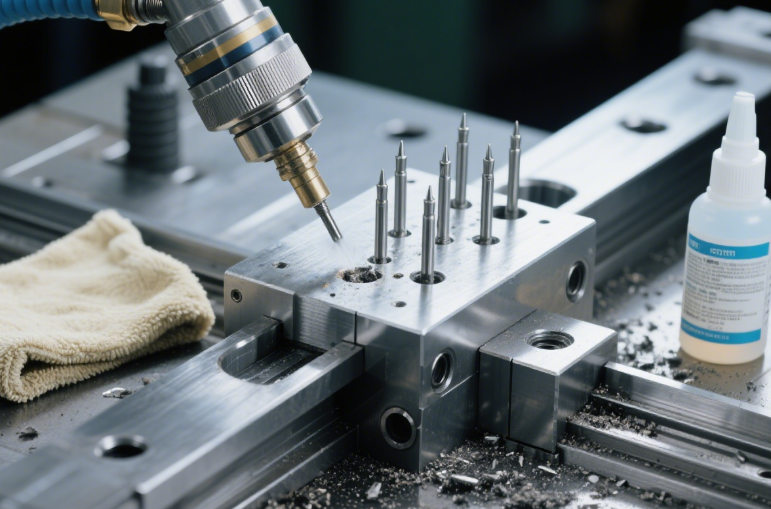
(2) Ejector Pins and Sliders
Ejector pins and sliders move frequently, easily adhering to plastic debris and dust. Impurities entering gaps cause jamming;
severe cases lead to broken ejector pins, damaged sliders, and production halts.
Blow debris out of gaps with compressed air, then wipe clean with a soft cloth dipped in cleaner. Check for surface wear—minor
wear can be repaired by grinding.
(3) Cooling Water Channels
Cooling channels control mold temperature. Long-term use causes scale buildup (especially in areas with hard water), reducing
cooling efficiency and leading to product deformation and dimensional deviations.
Blow impurities out with compressed air before each production run; clean with a dedicated cleaner via circulation weekly. For
long-term shutdowns, drain water from channels and dry to prevent rust.
2. Lubrication Management: Reduce Component Wear
(1) Lubrication of Moving Parts
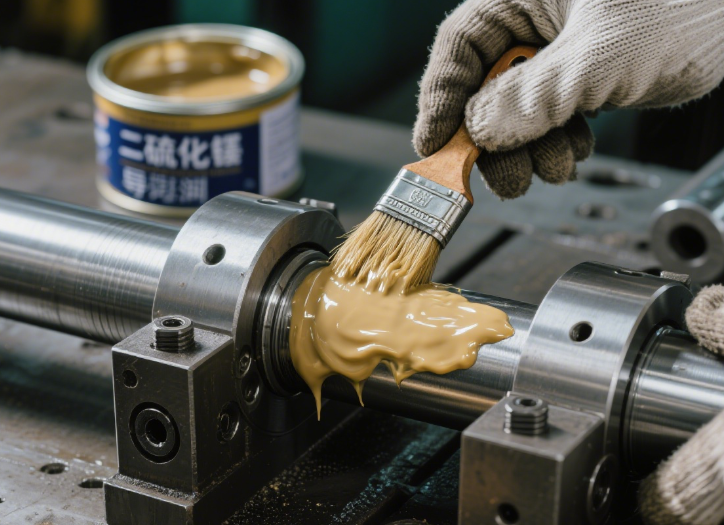
Ejector pins, guide pillars, and sliders require regular lubrication—excessive friction damages them otherwise. Use high-temperature,
high-pressure resistant grease (e.g., molybdenum disulfide grease), applying evenly on component surfaces and mating areas:
ejector pin shafts/heads, guide pillar-bushing mating surfaces, and slider sliding surfaces.
Lubricate once before daily production; increase frequency for high-frequency use or high-temperature environments.
(2) Optimization of Frequency and Method
Adjust lubrication frequency based on mold usage: molds in continuous operation or high temperatures may need multiple daily
lubrications; infrequently used molds need once-weekly lubrication.
For application: manually apply grease to accessible parts; install automatic lubrication systems for hard-to-reach areas (e.g., inside
guide bushings). Check system operation regularly.
3. Inspection of Key Parts: Detect Hidden Risks Timely
(1) Ejector Pins
Ejector pins bear high force during demolding, prone to bending, jamming, or wear. Check for bending (causes product whitening
or cracking during ejection), push pins by hand to test smoothness (jamming may result from impurity blockage or too-small gaps),
and inspect head wear—replace or repair if severely worn.
(2) Guide Pillars and Bushings
These are key to mold clamping precision. Check for surface scratches and wear (scratches increase friction and cause clamping
misalignment). Measure the fit clearance: normal range is 0.02-0.05mm (depending on precision). Excessive clearance causes
wobbling; too-small clearance causes jamming. Replace components if out of range.
(3) Parting Surface
Poor parting surface sealing causes product flash. Check for indentations, residual flash, or deformation: polish minor indentations;
weld and polish severe ones. Avoid damaging the parting surface when cleaning residual flash; check flatness and repair deformation
promptly.
4. Rust Prevention: Avoid Mold Corrosion
(1) Short-Term Rust Prevention (1-3 Days Shutdown)
After cleaning, spray a thin layer of rust inhibitor on cavities, parting surfaces, and ejector pins. Choose products with good volatility
and low residue (to avoid affecting subsequent product appearance) to form a protective film against water and air.
(2) Long-Term Rust Prevention (Over 1 Week Shutdown)
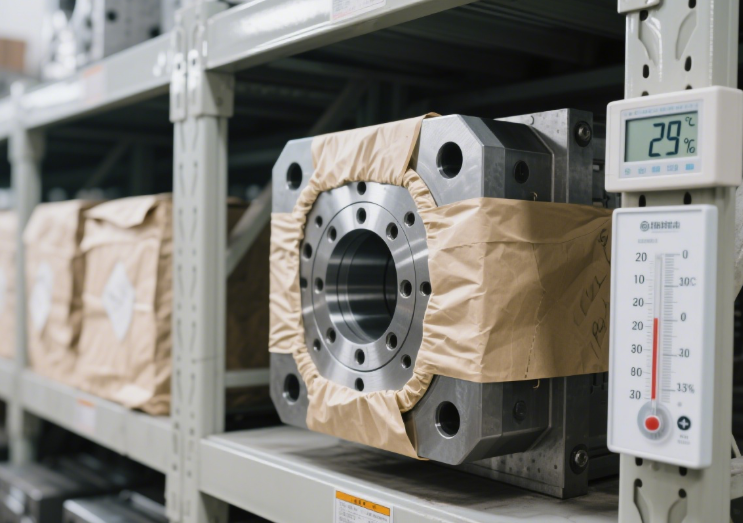
After thorough cleaning, spray long-acting rust-proof oil (e.g., WD-40 Specialist), wrap tightly with plastic wrap or rust-proof paper,
and place vertically on a dedicated shelf (with shock-absorbing rubber pads at the bottom). Add protective sleeves to precision parts
like locating rings.
Storage environment: 10-30℃ temperature, below 40% humidity, away from acids and alkalis. Check rust prevention monthly;
reprocess if the protective film is damaged or rust appears.
Proper implementation of the above maintenance effectively extends the lifespan of household appliance injection molds, improves
production efficiency, and reduces costs for enterprises.