In the field of plastic product manufacturing, injection molding technology holds a significant position. With the development of the manufacturing industry, injection molding processes have diversified into various types, among which common injection molding and precision injection molding are two typical and widely used ones. They differ significantly in multiple aspects, and understanding these differences is crucial for enterprises to select appropriate processes, ensure product quality, control costs, and improve efficiency.
Precision Injection Molding
Known as the "master of accuracy", precision injection molding can achieve dimensional accuracy below 0.01mm, and stabilize at 0.01-0.001mm in high-end scenarios. For example, in the aerospace field, components of aircraft engine fuel injection systems require strict precision, which precision injection molding ensures to operate reliably under extreme conditions.
Common Injection Molding
Common injection molding has relatively lenient precision requirements, mainly focusing on smooth product assembly with allowable dimensional tolerances. Daily products like plastic hangers and storage boxes, which have low precision requirements, adopt common injection molding as the preferred process due to its low cost and high efficiency.
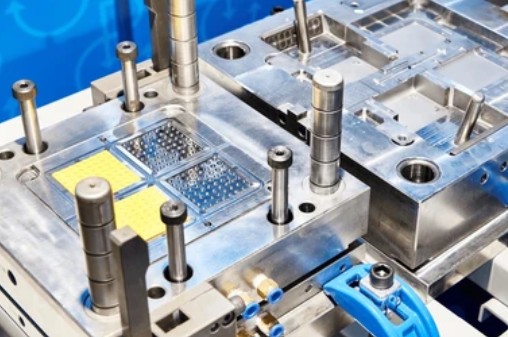
Precision Injection Molding
With its high precision and quality advantages, precision injection molding is widely used in high-end fields. In automotive manufacturing, critical components such as engine fuel injectors and transmission gears, whose precision affects vehicle performance, rely on precision injection molding to ensure quality. In precision instruments, internal structural parts of optical microscopes, which demand strict precision and surface quality, can only be satisfied by precision injection molding.
Common Injection Molding
Due to its low requirements for equipment and materials, common injection molding has a broad application scope. In the packaging industry (plastic boxes, bottles) and toy manufacturing (building blocks, dolls), which prioritize appearance and cost, common injection molding rapidly produces diversified products to meet market demands.
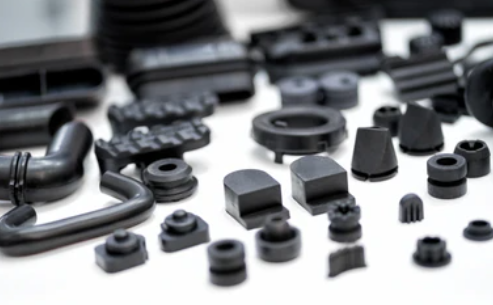
Precision Injection Molding Molds
Strict material selection is required for precision injection molds, typically using high-hardness and wear-resistant materials. Special-treated high-quality alloy steels, with a hardness of over HRC50-60, can withstand the friction and impact of high-pressure injection to maintain mold accuracy. Precision cast steel, through advanced casting processes, obtains structurally uniform castings that meet high-precision requirements after processing.
Common Injection Molding Molds
Common injection molds allow more flexible material selection. General tool steels are widely used for their certain strength and hardness. Aluminum alloys, though with lower hardness and wear resistance, are cost-effective in productions with low mold life requirements due to their low density, good machinability, and high thermal conductivity.
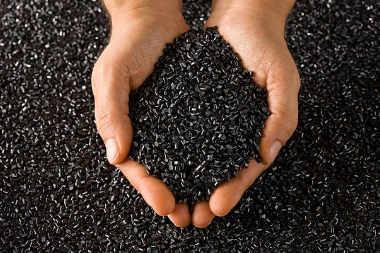
Precision Injection Molding Molds
The manufacturing of precision injection molds is comparable to "artistic creation", requiring advanced processes. CNC machining achieves micron-level positioning through high-precision equipment to accurately process mold components, ensuring the accuracy and quality of cavities and cores. Electrical discharge machining (EDM) targets complex structures, using electrical discharge to erode metal and guarantee mold surface precision while avoiding deformation.
Common Injection Molding Molds
Common injection mold manufacturing relies on conventional machining methods like turning and milling. Turning processes circular mold parts to ensure dimensional accuracy and roundness; milling handles planes and grooves to ensure the fit of parting surfaces and prevent flash.
Precision Injection Molding Molds
Precision molds operate under harsh conditions: high-pressure and high-speed injection causes severe erosion and friction on mold cavities, while high-precision fits exacerbate component wear. When producing electronic connectors, molds working under high pressure suffer surface wear, typically requiring maintenance or replacement after tens to hundreds of thousands of injection cycles.
Common Injection Molding Molds
Common molds operate under mild pressure and speed with less wear. Take plastic hanger production as an example: molds experience weak erosion and friction with low fit precision requirements, enabling a service life of hundreds of thousands of cycles or even longer.
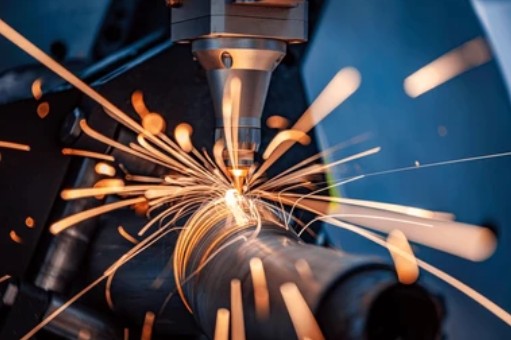
Precision Injection Molding Molds
Precision molds incur high costs due to:
Elaborate design by professional engineers for structure, cooling, and exhaust systems, demanding significant time and effort.
High-precision manufacturing processes using expensive equipment with high maintenance costs and long production cycles.
High-quality steel materials with strict quality requirements and high prices.
Common Injection Molding Molds
Common molds feature lower costs:
Simple design with short cycles.
Conventional manufacturing equipment with low prices and maintenance costs, enabling high production efficiency.
Affordable material selection, making them competitive in cost-sensitive markets.
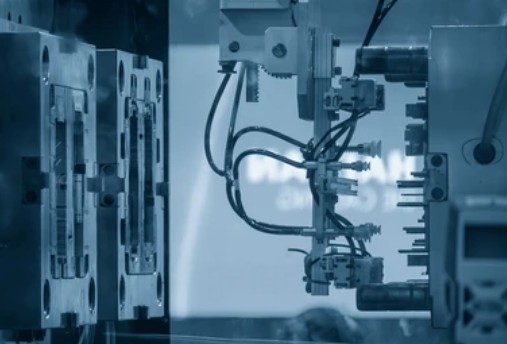
Precision Injection Machines
Like a "precision conductor", precision injection machines strictly control parameters such as plastic temperature and injection pressure. Temperature control reaches ±1℃ (e.g., precise temperature control for optical lens production ensures optical performance). Injection pressure is preset and dynamically adjusted based on product and mold requirements to ensure part accuracy and quality.
Common Injection Machines
Common injection machines have lower parameter control precision: temperature control within ±5℃ suffices for general plastic products. Injection pressure control is simple with larger fluctuations, which does not affect product quality in low-precision applications.
Common injection molding and precision injection molding differ significantly in multiple dimensions:
The former features lower precision, flexible material selection, conventional processes, low costs, and long mold life, suitable for daily products and packaging with low precision requirements.
The latter focuses on high precision, strict material selection, advanced manufacturing processes, high costs, and short mold life, applied in high-end industries like aerospace, automotive, and precision instruments.
Enterprises should rationally select processes based on product requirements and cost budgets to balance quality, cost, and efficiency.